Small breed
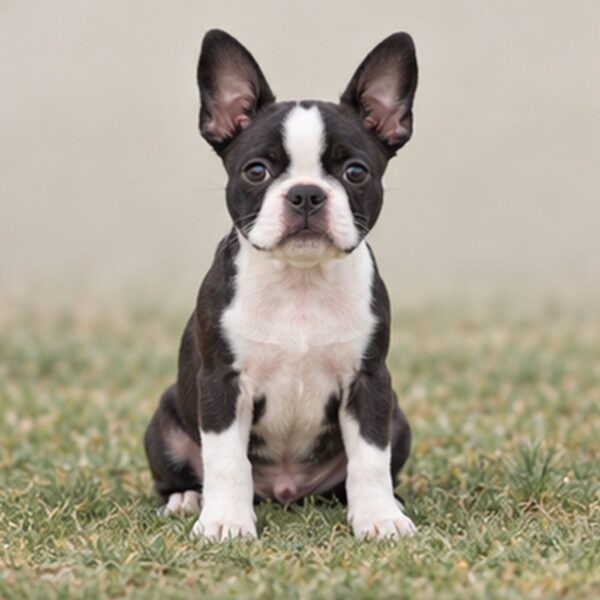
Boston Terrier Puppies
This is probably a suitable apartment dog because they do not do well in harsh climates. This dog breed is also known as the American gentlemen. They are playful and very well-mannered if trained right. They are also affectionate and the perfect family pet. Discover more about our Boston Terrier puppies for sale below!
- Adult weight 10–25 lbs
- Height 15–17 in
- Lifespan 11–13 years
- Exercise 30 min a day
 1 available now
Available Boston Terrier Puppies
About the Boston Terrier
If you are looking for a small, affectionate companion, the Boston Terrier might just be the perfect fit for your family. Originating in the late 19th century in the United States, these delightful dogs were bred for companionship and have become well-loved family pets. Their friendly nature makes them great with young kids, and they generally get along well with other dogs and even cats, making them a wonderful choice for multi-pet households. With their charming personalities and gentle disposition, it is no wonder that Boston Terriers are often referred to as “The American Gentleman.”
Read more about the Boston Terrier Show less
These little pups have a moderate energy level, which means they can be quite playful while also enjoying some cozy downtime. They adapt well to apartment living, requiring only a daily walk or some playtime to keep them happy and healthy. Their grooming needs are quite manageable, as a weekly brushing will keep their short coat looking its best and minimize shedding. This breed’s intelligence and eagerness to please respond well to training, so you will find them to be both responsive and capable as they learn new commands or tricks.
With their endearing personality and a strong desire to bond with their human families, Boston Terriers thrive in loving environments where they can receive plenty of affection. If you are considering adding a furry friend to your household, look no further than the Boston Terrier. Their delightful charm and friendly disposition will surely bring joy to your home. If you are interested in finding one in Petland Ashland, Kentucky, stop by and meet these lovable dogs in person.
Boston Terrier breed profile
Every score below is set by our team for this breed. Higher is simply more of that trait, not better or worse.
Temperament
-
Affection Devoted
-
Playfulness Very playful
-
With strangers Friendly
-
Territorial Relaxed
-
Prey drive Low
Family & other pets
-
Young children Good
-
Older children Good
-
Other dogs Sociable
-
Cats Usually fine
Energy & exercise
-
Energy Moderate
-
Mental stimulation Moderate
Training
-
Trainability Quick to learn
-
Intelligence Very bright
-
Stubbornness Biddable
Care & upkeep
-
Shedding Light
-
Drooling Minimal
-
Barking Moderate
Home life
-
Apartment living Well suited
-
Time alone Short periods
-
Cold weather Needs a coat
-
Warm weather Needs shade
A good match for
-
First-time owners Ideal first dog
-
Senior owners Good
-
Running partner Short distances
-
Hiking Short walks
-
Therapy work Good
-
Guarding Low
Living with a Boston Terrier
History
The Boston Terrier first emerged in the 1800s in the United States, believed to be the result of a deliberate crossbreeding. This distinct dog was created by breeding an English Terrier with a Bulldog, aiming to combine desirable traits from both. Their unique origins led them to become the first non-sporting dog breed to be recognized by the American Kennel Club (AKC). The breed's specific colors and markings were so integral to its identity that they were explicitly included in its official description, highlighting their importance as a defining characteristic. Even today, the Boston Terrier remains one of the most popular and beloved breeds in America.
Temperament
The Boston Terrier, often called the "American Gentleman," lives up to its name with a remarkably pleasant disposition. These dogs are intelligent, smart, and deeply affectionate. While generally well-mannered, they do require adequate training and early socialization to fully develop their amiable nature and ensure they're comfortable around new people and other pets. They are typically quite lively and love engaging in playtime, with fetch being a particular favorite. Though quick learners, they can be a bit reserved or cautious around strangers until they get to know them.
Environment
It's crucial to note that Boston Terriers merely tolerate harsh weather conditions due to their brachycephalic (short-nosed) faces, which makes them susceptible to overheating and respiratory issues. Therefore, they should primarily remain indoors, venturing out only for playtime and potty breaks. They are generally quite tolerant of other pets. However, large crowds may not work well for this breed, as their small stature could put them at risk of being accidentally jostled or knocked over.
Exercise
Despite being a small dog breed, Boston Terriers are surprisingly energetic and love to get a lot of exercise. They are very playful and can truly wear you out! They need an average of 45 minutes to one hour of play or exercise daily. You can let them play freely in a secure yard for as long as they want, or take them out on short or longer walks. The key is to keep them adequately exercised to support their physical health and prevent them from developing behavioral issues due to pent-up energy.
Grooming
Due to their incredibly large eyes, it's important to clean his face daily and routinely check for any redness or irritation. Also, clean his ears and check for any bad odor, which could signal an infection. Trim his nails regularly to prevent them from getting too long and scratching surfaces (like your couch!). While they do shed, it's typically very light, and frequent brushing will help remove any excess hair, making it easy to manage.
Caring for a Boston Terrier
- Grooming
- Weekly brushing
- Grooming cost
- Low
- Monthly food
- Average
- Outdoor space
- Manages without a yard
- Allergy friendly
- Not considered hypoallergenic
Boston Terrier Video
Frequently Asked Questions
What is the temperament of a Boston Terrier?
Boston Terriers are known as "American Gentlemen" due to their intelligent, affectionate, and well-mannered temperament. They are playful, loyal, and generally get along well with children and other pets.
Are Boston Terriers good apartment dogs?
Yes, Boston Terriers adapt very well to apartment living. Their smaller size and moderate exercise needs make them ideal for urban environments.
Do Boston Terriers bark a lot?
Boston Terriers are not typically excessive barkers. They may bark to alert their owners to visitors or strange noises, but they are generally not prone to nuisance barking.
How much exercise does a Boston Terrier need?
Despite their size, Boston Terriers are energetic and require a good amount of exercise, typically 45 minutes to an hour of play or walks daily, to keep them healthy and prevent boredom.
Are Boston Terriers easy to train?
Yes, Boston Terriers are intelligent and eager to please, making them relatively easy to train. Early socialization and consistent positive reinforcement are key for their development.
What are common health problems in Boston Terriers?
Due to their brachycephalic (short-nosed) nature, they can be prone to respiratory issues and overheating. Other common concerns include eye conditions (due to their large eyes), patellar luxation, and deafness.
How much grooming does a Boston Terrier need?
Boston Terriers are relatively low-maintenance in terms of grooming. They have short, easy-to-care-for coats that require weekly brushing, occasional baths, daily face cleaning, and regular nail trims.
How long do Boston Terriers live?
The average life expectancy for a Boston Terrier is generally between 10 to 15 years.
Are Boston Terriers good with kids and other pets?
Yes, they are typically very friendly and tolerant with children and other pets, especially when properly socialized from a young age. Their small size also makes them less likely to accidentally knock over small children.
Do Boston Terriers tolerate hot or cold weather well?
No, Boston Terriers do not tolerate harsh or extreme weather conditions well. Due to their short snouts, they can easily overheat in hot weather and struggle in very cold temperatures. They are best kept mostly indoors.