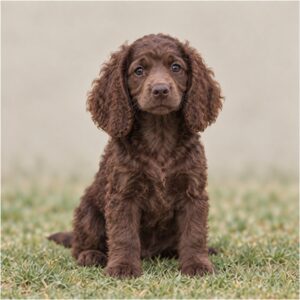

Medium breed
Labradoodle Puppies
Having a Labradoodle is one of the best things that can happen to any dog owner; as this cute and lovable species of dogs are loved and adored by dog lovers in Australia and the world as a whole, for their loyalty, hypoallergenic features, and vibrant energy. Discover more about our Labradoodle puppies for sale below!
We do not have Labradoodle puppies on the floor today. Tell us what you are looking for and we will let you know the moment one arrives, or help you find a breed that suits your home just as well.
- Adult weight 15–65 lbs
- Height 18–24 in
- Lifespan 12–14 years
- Exercise 60 min a day

About the Labradoodle
History of Breed
The World’s First Labradoodle was created in 1989 by a man named Wally Conron who worked at the Royal Guide Dogs Association of Australia. He had received a request from a blind woman in Hawaii whose husband was allergic to longhaired dogs. This breed has since gained worldwide popularity and remains a very sought-after breed today. This breed is the perfect mix between a Poodle and Labrador Retriever.
Read more about the Labradoodle Show less
Personality and Temperament
This Labradoodle is known for having a very loving, caring, and pleasant personality. They are very smart dogs and eager to be a part of your family. They also tend to be very social and interact well children and other pets in the home. They are not aggressive dogs and have very warm and approachable demeanors. They make marvelous family pets and are known to quickly bond.
Appearance and Grooming
Labradoodles do not shed heavy and do not require excessive brushing. Most do well with standard grooming every six to eight weeks. Depending on the dog’s activity level, a weekly to bi-weekly bath is suggested. Making sure your Labradoodle is properly groomed will allow him to look and feel his best.
Care and Feeding
Labradoodles do best with a balance of meat-based protein and micronutrients, as well as healthy carbs and fats. This breed also tends to do well being fed twice a day with meals spaced apart every twelve hours. This will help to ensure the dog is provided with the proper nutrients he needs. It is also important that his teeth get cleaned a minimum of three times a week. Failing to keep his teeth clean can contribute to health issues. Although properly cleaning his teeth will take some practice to get good at, in time, this will become easier for you and your pup.
Breed Size and Life Expectancy
- The Standard Labradoodle stands between twenty-two and twenty-four inches tall.
- At maturity this breed weighs between fifty and sixty-five pounds.
- They have an average life expectancy of twelve to fifteen years.
Interesting Breed Facts
Fact: Labradoodles are a mix between a Poodle and Labrador Retriever.
Fact: This breed is considered a very smart dog who trains with ease.
Fact: Labradoodles have different coat types and are not known for heavy shedding.
Petland is honored to offer first-class Labradoodle puppies, and our caring team of puppy specialists will help answer any questions you may have.
We look forward to helping you find your next family member. Our pet counselors can answer any questions you have about our Labradoodle puppies.
Top Ten Frequently Asked Questions about the Labradoodle
-
What are the diseases that Labradoodles are prone to?
Labradoodles are prone to health issues such as hip and elbow dysplasia, epilepsy, diabetes mellitus, ear infections, and hypothyroidism.
-
Do Labradoodles shed at all?
Although Labradoodles are known as non-shedders, there are some of them who still undergo shedding, most especially the Labradors with hair coats.
-
How should you feed your Labradoodles?
In feeding your labradoodle, you have to understand your Lab’s age, weight, and activity level; these factors will help you determine how much or how less you should feed your Lab. But, bear in mind that however you feed your Lab, be careful not to get your Lab bloated or underfed.
-
What is a Labradoodle’s life expectancy?
A Labradoodle has an average lifespan of 10-18 years.
-
Can Labs go for hunting?
Although some dogs’ breeders tend to breed Labradoodles for hunting; but they are most likely undermining and limiting the capacity of the breed, when it could be of better help in the law enforcement agencies, at the therapists and as a guide for people suffering from ear and eyes deficiencies.
-
How big do Labs grow?
The average male Lab can grow up to 22 to 24 inches while the female one can grow up to 21 to 23 inches, and both can weigh as much as 50 to 70 pounds.
-
Is it safe to leave my Lab all alone when we are out?
Labs are social dogs and they need to be around people or other dogs most of the time, hence it might not be safe to be away from your Lab for too long, to avoid behavioral problems such as depression, frustration, and unhappiness.
-
Does gender matter when getting a Labradoodle?
Not at all. Both genders of Labs make awesome family pets. You can decide to either adopt or buy any gender of your choice
-
How much do Labs puppies cost?
The cost of buying Labradoodle puppies varies, depending on where you are buying from. Contact us today to learn more about the cost and availability of our Labs
-
When can I start training my Lab?
You can start training your Lab from the exact day you purchase/adopt your Lab.
Labradoodle breed profile
Every score below is set by our team for this breed. Higher is simply more of that trait, not better or worse.
Temperament
-
Affection Very affectionate
-
Playfulness Very playful
-
With strangers Friendly
-
Territorial Relaxed
-
Prey drive Low
Family & other pets
-
Young children Excellent
-
Older children Excellent
-
Other dogs Sociable
-
Cats Usually fine
Energy & exercise
-
Energy High
-
Mental stimulation High
Training
-
Trainability Quick to learn
-
Intelligence Very bright
-
Stubbornness A stubborn streak
Care & upkeep
-
Shedding Light
-
Drooling Minimal
-
Barking Moderate
Home life
-
Apartment living Good
-
Time alone A few hours
-
Cold weather Comfortable
-
Warm weather Comfortable
A good match for
-
First-time owners Good first dog
-
Senior owners Good
-
Running partner Good
-
Hiking Good
-
Therapy work Excellent
-
Guarding Low
Living with a Labradoodle
Breed History
The World's First Labradoodle was created in 1989 by a man named Wally Conron who worked at the Royal Guide Dogs Association of Australia. He had received a request from a blind woman in Hawaii whose husband was allergic to longhaired dogs. This breed has since gained worldwide popularity and remains a very sought-after breed today. This breed is the perfect mix between a Poodle and Labrador Retriever.
Personality
This Labradoodle is known for having a very loving, caring, and pleasant personality. They are very smart dogs and eager to be a part of your family. They also tend to be very social and interact well children and other pets in the home. They are not aggressive dogs and have very warm and approachable demeanors. They make marvelous family pets and are known to quickly bond.
Appearance
Labradoodles do not shed heavy and do not require excessive brushing. Most do well with standard grooming every six to eight weeks. Depending on the dog’s activity level, a weekly to bi-weekly bath is suggested. Making sure your Labradoodle is properly groomed will allow him to look and feel his best.
Care
Labradoodles do best with a balance of meat-based protein and micronutrients, as well as healthy carbs and fats. This breed also tends to do well being fed twice a day with meals spaced apart every twelve hours. This will help to ensure the dog is provided with the proper nutrients he needs. It is also important that his teeth get cleaned a minimum of three times a week. Failing to keep his teeth clean can contribute to health issues. Although properly cleaning his teeth will take some practice to get good at, in time, this will become easier for you and your pup.
Breed Size
- The Standard Labradoodle stands between twenty-two and twenty-four inches tall.
- At maturity this breed weighs between fifty and sixty-five pounds.
- They have an average life expectancy of twelve to fifteen years.
Breed Facts
Fact: Labradoodles are a mix between a Poodle and Labrador Retriever.
Fact: This breed is considered a very smart dog who trains with ease.
Fact: Labradoodles have different coat types and are not known for heavy shedding.
Caring for a Labradoodle
- Grooming
- Weekly brushing
- Grooming cost
- Average
- Monthly food
- Average
- Outdoor space
- A yard is recommended
- Allergy friendly
- Often suits allergy sufferers
Labradoodle Video
Frequently Asked Questions
1. What are the diseases that Labradoodles are prone to?
Labradoodles are prone to health issues such as hip and elbow dysplasia, epilepsy, diabetes mellitus, ear infections, and hypothyroidism.
2. Do Labradoodles shed at all?
Although Labradoodles are known as non-shedders, there are some of them who still undergo shedding, most especially the Labradors with hair coats.
3. How should you feed your Labradoodles?
In feeding your labradoodle, you have to understand your Lab’s age, weight, and activity level; these factors will help you determine how much or how less you should feed your Lab. But, bear in mind that however you feed your Lab, be careful not to get your Lab bloated or underfed.
4. What is a Labradoodle’s life expectancy?
A Labradoodle has an average lifespan of 10-18 years.
5. Can Labs go for hunting?
Although some dogs’ breeders tend to breed Labradoodles for hunting; but they are most likely undermining and limiting the capacity of the breed, when it could be of better help in the law enforcement agencies, at the therapists and as a guide for people suffering from ear and eyes deficiencies.
6. How big do Labs grow?
The average male Lab can grow up to 22 to 24 inches while the female one can grow up to 21 to 23 inches, and both can weigh as much as 50 to 70 pounds.
7. Is it safe to leave my Lab all alone when we are out?
Labs are social dogs and they need to be around people or other dogs most of the time, hence it might not be safe to be away from your Lab for too long, to avoid behavioral problems such as depression, frustration, and unhappiness.
8. Does gender matter when getting a Labradoodle?
Not at all. Both genders of Labs make awesome family pets. You can decide to either adopt or buy any gender of your choice
9. How much do Labs puppies cost?
The cost of buying Labradoodle puppies varies, depending on where you are buying from. Contact us today to learn more about the cost and availability of our Labs
10. When can I start training my Lab?
You can start training your Lab from the exact day you purchase/adopt your Lab.