
Large breed
Bloodhound Puppies
The bloodhound is an amazing breed of the canine family. It is a very kind and friendly pet who would do anything for its owner. It is also very loyal and can stick to you no matter what. It is the definition of a man’s best friend and the kind of pet you want in your home. Discover more about our Bloodhound puppies for sale below!
We do not have Bloodhound puppies on the floor today. Tell us what you are looking for and we will let you know the moment one arrives, or help you find a breed that suits your home just as well.
- Adult weight 80–110 lbs
- Height 23–27 in
- Lifespan 10–12 years
- Exercise 60 min a day
About the Bloodhound
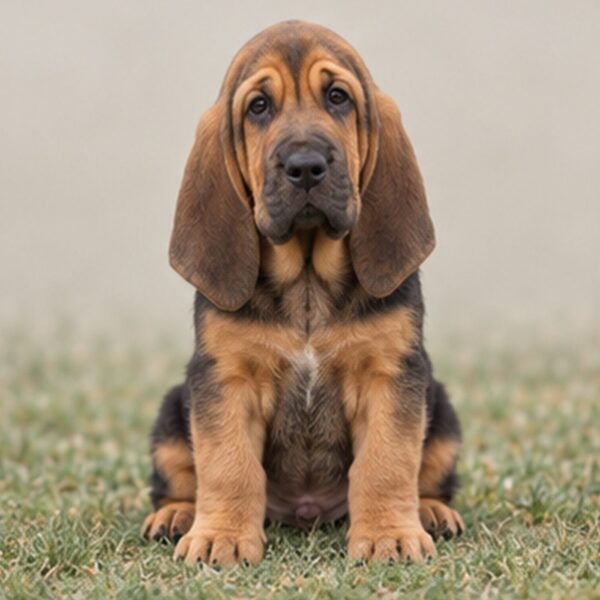
If you’re searching for a gentle giant with a heart full of love and an incredible sense of smell, the Bloodhound may just be your perfect companion. This breed’s rich history dates back to medieval times in Europe, where they were celebrated for their remarkable tracking abilities. Known for their droopy ears and expressive eyes, Bloodhounds thrive in family settings where they can be both playful and comforting. They are known to be especially good with young kids and often get along well with other dogs, making them wonderful additions to bustling households.
Read more about the Bloodhound Show less
In terms of energy, Bloodhounds require a moderate amount of exercise but are also quite content lounging around the house. Their affectionate nature means they love being around their families, and they will happily join in on playtime or relax by your side. While they are not the best fit for apartment living due to their size and vocal tendencies, they do well in homes with yards where they can roam, sniff, and explore.
When it comes to grooming, a weekly brushing will suffice to keep their coat healthy and manageable. They are known to shed moderately, so regular grooming helps keep fur from taking over your living space. Bloodhounds are not the most easily trainable breed, but their affectionate nature makes them eager to please. With patience and consistency, you can teach them basic commands and routines, allowing you to enjoy their loving company even more. If you think a Bloodhound could be the right fit for your family, consider visiting us at Petland Ashland, Kentucky, to meet one of these lovable pups in person.
Bloodhound breed profile
Every score below is set by our team for this breed. Higher is simply more of that trait, not better or worse.
Temperament
-
Affection Very affectionate
-
Playfulness Calm
-
With strangers Friendly
-
Territorial Somewhat
-
Prey drive High
Family & other pets
-
Young children Good
-
Older children Good
-
Other dogs Sociable
-
Cats Needs care
Energy & exercise
-
Energy Moderate
-
Mental stimulation Moderate
Training
-
Trainability Takes patience
-
Intelligence Bright
-
Stubbornness Stubborn
Care & upkeep
-
Shedding Moderate
-
Drooling Keep a towel handy
-
Barking Vocal
Home life
-
Apartment living Needs real space
-
Time alone Short periods
-
Cold weather Average
-
Warm weather Needs shade
A good match for
-
First-time owners Some experience helps
-
Senior owners Suitable
-
Running partner Short distances
-
Hiking Moderate
-
Therapy work Possible
-
Guarding Low
Living with a Bloodhound
History
Though the bloodhound is a breed of canines that hunts from just scent, it’s name is definitely not evidence of its taste for blood. The bloodhound is typically a royal dog, its name speaks of the fact that it is blooded.
It was used to track and hunt thieves as far back as the 16th century and this is still happening now. When its reputation diminished as a result of the Civil War, some Americans took it upon themselves to breed them again and this produced dogs you would love to keep as pets.
It is mostly used by law enforcement for manhunt, searches, and rescue operations. It is a unique breed and is ranked 45th on a list of 155 breeds in the American Kennel Club.
Temperament
Some behaviors of the bloodhound could be contradictory and you’d need an enormous amount of patience to figure them out. They could be very affectionate but also shy especially around people they are not accustomed to.
They are intelligent enough to be trained and could be sensitive to corrections but they still would want to do things in their own way. When they are excited, they could get very vocal and do a lot of barking however some others are just quiet and very peaceful.
Social structures affect their temperaments greatly. When they’re young, you would do your bloodhound a world of good to expose them to people, sights, and places so they get accustomed to all of these.
Environment
This dog breed is in love with children. They are generally very excited when they get to play with children and this should be encouraged. You know they are really big dogs so be sure to supervise any contact with babies. Older children shouldn’t have any issues playing with a bloodhound.
You should also have a yard where they could play because they tend to become lonely if left unattended. They do well with other dogs and even cats.
Exercise
A big dog such as a bloodhound needs all the exercise it can get. Typically, they love to run for miles following a trail and you’d need to keep that up. They are great running buddies and if you live in the country, they may just be the perfect pet for you.
However, you should be sure not to over-exercise them. The underlying rule is to add 5 minutes to their exercise time per growth month. So, if they’re 3 months they should do 15 minutes, 4 months should do 20 minutes. Be sure to understand how they react or behave when they’re tired.
Grooming
Grooming a bloodhound would include bathing and brushing his coat on a regular basis. The most tasking part about grooming is the care for its ears. They are prone to ear infections and you would need to clean their ears on a regular basis to avoid this.
If you don’t have the time, make regular appointments with a Groomer. You should also clean its wrinkles daily and its flaws after every meal to take out any food that may be trapped in there. Oh, and don’t forget to brush its teeth regularly to avoid bad breath and gum decay. Cut its nails and keep them clean too.
Our Bloodhound puppies for sale come from either USDA licensed commercial breeders or hobby breeders with no more than 5 breeding mothers. USDA licensed commercial breeders account for less than 20% of all breeders in the country.
The unregulated breeders who are selling outside of the USDA regulations and without a license are what we consider to be “Puppy Mills.” We are committed to offering Bloodhound puppies who will grow up to become important members of your family. We only purchase puppies from the very best sources, and we stand behind every puppy we sell.
Caring for a Bloodhound
- Grooming
- Weekly brushing
- Grooming cost
- Low
- Monthly food
- Average
- Outdoor space
- A yard is recommended
- Allergy friendly
- Not considered hypoallergenic
Bloodhound Video
Frequently Asked Questions
Do Bloodhounds need lots of exercises?
Owing to the fact that this dog breed is a hunting kind, they do need lots of exercises. If you take them on a run, chances are that they would outrun you so just stick to long walks.
Should Bloodhounds be kept outside?
The answer is no. If you let them sit outside or worse leave them outside through the night, they might howl till the next morning and this may be uncomfortable for your neighbors. They love companionship and having people or fellow dogs around them.
How long can a Bloodhounds live?
The average life expectancy of a bloodhound is about 10 to 12 years.
What diseases are the Bloodhounds susceptible to?
The bloodhound has the following problems; it is susceptible to elbow dysplasia and this could lead to lameness, it could also have skin fold dermatitis, ectropion, entropion, canine hip dysplasia. Regular checks with the vet doctor could resolve some of these issues early enough.
Do Bloodhounds shed?
Yes, they do, especially in the fall and spring. You could take out the excess hair using a shedding blade.
Are Bloodhounds easy to train?
Bloodhounds are a scent hunting breed that isn’t so easy to train. You would require lots of patience with them.
Are Bloodhounds aggressive?
Not towards humans but they still have the hunting instinct to go after little animals and creatures.
Do I need to have a Bloodhounds on a leash at all times?
This is probably for its own safety as they are known to take off at the slightest scent. If trained right, you could unleash him.
Can Bloodhounds be guard dogs?
Not necessarily. They are not mean or harsh towards humans.
Are Bloodhounds loyal mates?
Undoubtedly. If they cannot find their owners, they have been known to stop eating.
A bloodhound may just be the companion you have been searching for given its loyalty and affectionate features.